Making an LPG cylinder last longer: flame, vessels and habits
On this page (10)
The cooking habits that actually save gas in an Indian kitchen, from flame size and lids to the pressure cooker, and the signs that the stove is the problem.
“Gas jaldi khatam ho jati hai” is something we hear in almost every home. Sometimes there is a real problem: a weak burner, a dirty jet, even a slow leak. More often the gas is going exactly where it is sent, into the air around the vessel instead of into the food. Small changes in how you cook can make a cylinder last noticeably longer. This article collects the habits that actually make a difference in an Indian kitchen, and the signs that the stove, not the cook, is the problem.
The flame should stay under the vessel
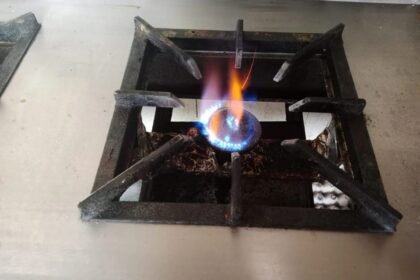
The single biggest waste is a flame that licks up the sides of the pan. Heat that goes past the edge warms the kitchen, not the food. Turn the flame down until its tips stay under the base of the vessel. You will lose almost no cooking speed and save a lot of gas.
Match the burner to the vessel too. A small milk pan on the big burner wastes most of the flame; a large kadhai on the small burner takes far longer and may need the knob on full the whole time.
Cover it
A pan with a lid comes to the boil much faster than an open one, and keeps simmering on a smaller flame. Use lids for boiling water, dal, rice, sabzi and anything that simmers. For tea and milk, cover until the boil and then lower the flame.
Use the pressure cooker well
The pressure cooker is the most gas-efficient vessel in most Indian kitchens, but only when used right:
- Use the amount of water the recipe needs, not extra “to be safe”. Every extra cup is gas spent boiling it.
- Once the first whistle comes, lower the flame. The cooker keeps cooking at a lower flame; a high flame only makes more whistles.
- Cook dal and rice together using separator containers when you can.
- Let the pressure drop on its own; the food keeps cooking while it does.
Prepare before you light
- Soak rajma, chhole, dal and rice. Soaked grains cook in a fraction of the time.
- Chop, measure and line up everything before the burner goes on, so the flame is not running while you look for the haldi.
- Take things out of the fridge early. Milk, dough or leftovers straight from the fridge need gas just to reach room temperature.
- Dry the base of the vessel before putting it on the flame. Water on the outside has to boil off first.
Vessels that help
Flat-bottomed vessels sit closer to the flame and take heat better than dented or warped ones. Thick-based pans hold heat, so you can turn the flame off a minute or two before the food is done. A black, sooty base on vessels is a warning sign: it means the flame is not burning cleanly, which wastes gas as well. See what an orange flame means.
A clean burner burns less gas
When burner ports are partly blocked with spilt food, the flame becomes uneven, yellowish or weak, and you turn the knob higher to compensate. A clean burner with a crisp blue flame does the same work on less gas. Wash the burner caps and heads every couple of weeks in warm soapy water, dry them fully and put them back properly. For the deeper clean and adjustment, a six-monthly service is what we recommend; our guide on hob and gas stove care explains what it covers.
Winter needs a little more planning
In cold months, LPG flames can get weaker near the end of a cylinder, and many people respond by cooking on full flame for longer. Plan refills a little earlier in winter, and keep the cylinder in the warmer part of the kitchen, upright, away from any heater. Never heat a cylinder in any way.
When the stove, not the habit, is the reason
If your cooking has not changed but the cylinder is running out sooner than it used to, look for these signs:
- A yellow, lazy or uneven flame on burners that used to be blue and crisp.
- A burner that needs to be on full to do what it used to do on medium.
- A faint smell of gas near the stove, the hose or the regulator, even when nothing is cooking.
- A hose that is hard or cracked, or past the date printed on it.
A cylinder emptying fast with no change in cooking can mean a small leak. Do not test for leaks with a match or a lighter. Close the regulator after cooking, and get the hose, the regulator connection and the stove checked. A technician tests every joint with soap solution and the right tools.
Small things that add up
- Turn the burner off a minute before the food is done; the hot vessel finishes the job.
- Boil only the water you need for tea or for washing a vessel.
- Keep the kitchen window slightly open but do not let a fan blow across the flame: a draught scatters heat.
- Close the regulator after the last cooking of the day.
Questions people ask
Gas cylinder kitne din chalna chahiye?
It depends on the family’s size, how much you cook and in what season. Note how long your last few cylinders lasted. If a cylinder suddenly lasts much less than usual with the same cooking, get the stove and its connections checked.
Kya kam aanch pe khana banane se gas bachti hai?
A flame that stays under the vessel saves gas. A flame so low that the food takes twice as long does not. Use a medium flame with a lid, and lower it once things are boiling.
Does a new stove use less gas?
A new stove with clean, correctly set burners can burn more efficiently than an old, poorly maintained one. But a service that cleans and adjusts the burners often gives you most of that benefit without buying a new stove.
If your flame is weak or yellow, or the cylinder empties faster than it should, book a gas stove service. The technician cleans and checks the burners and tests the connections for leaks. A visiting charge applies, and you are told the cost of any part before it is fitted.
Want this done?
Gas Stove (Chulha) Repair across Chandigarh, Mohali, Panchkula, Zirakpur, Ahmedabad, Dehradun, Delhi, Faridkot, Gurugram, Indore, Ludhiana, Mumbai, Noida, Pune. No advance — you pay after the job.
Book Gas Stove (Chulha) RepairCall +91 92708 07381