
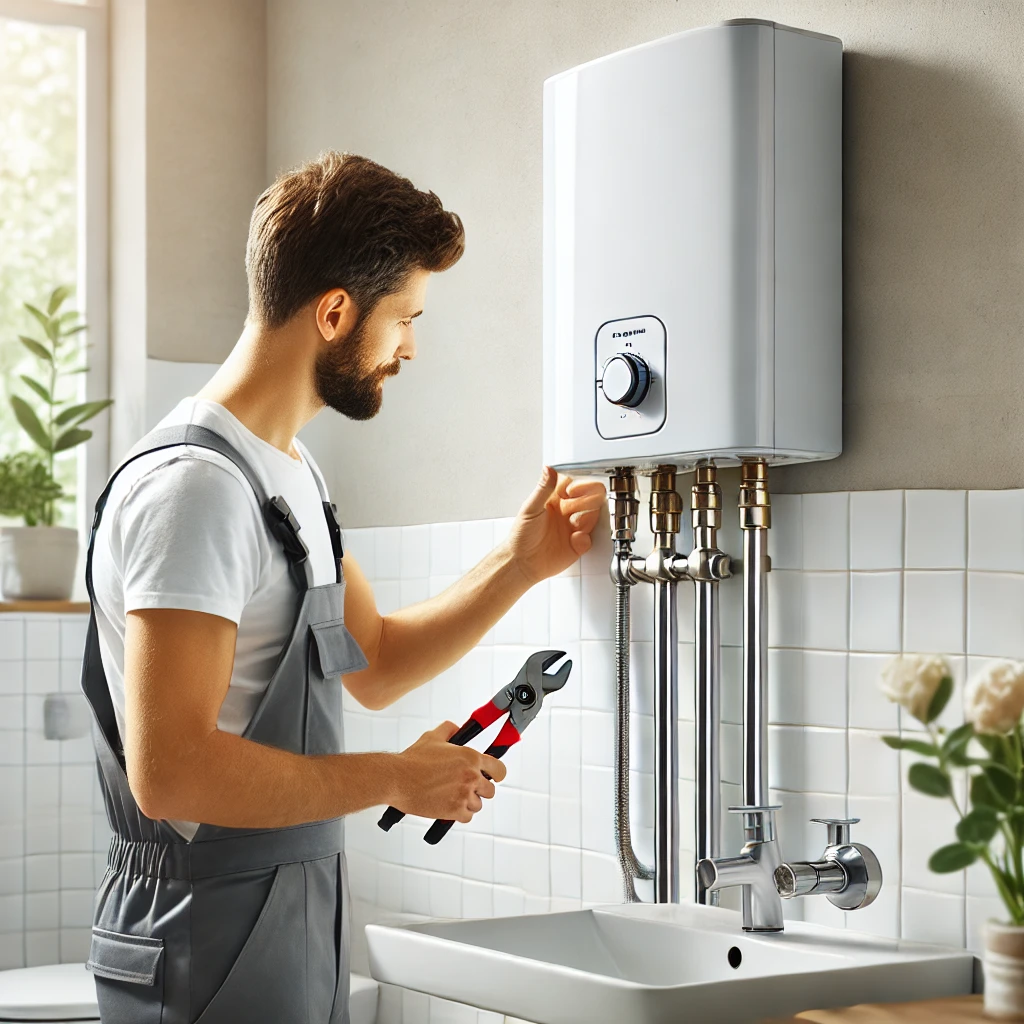
10 Common Geyser Problems and How to Fix Them at Home
Last updated: September 2025 | Reading time: 12 minutes Table of Contents Geyser Not Heating Water Water Leaking from Geyser Strange Noises from Geyser Insufficient Hot Water Geyser Taking Too Long to Heat Rusty or Discolored Hot Water Electrical Tripping Issues Pressure Relief Valve Issues Thermostat Problems Pilot Light Issues (Gas Geysers) Why Geyser Troubleshooting Matters for Indian Households Water heaters (geysers) are essential appliances in Indian homes, especially during winter months. With rising electricity costs and frequent power fluctuations, knowing how to troubleshoot common geyser problems can save you thousands of rupees in unnecessary repair calls. Did you know? 70% of geyser problems can be fixed at home with basic tools and safety precautions. 1. Geyser Not Heating Water {#geyser-not-heating-water} What You’ll Notice Cold water even after hours of operation No heating indicator lights MCB tripping repeatedly Root Causes The most common reasons your geyser stops heating water include: Faulty thermostat (40% of cases) Burnt heating element (30% of cases) Power supply issues (20% of cases) Tripped MCB (Miniature Circuit Breaker) (10% of cases) DIY Fix Steps Check the MCB panel – Look for any tripped switches and reset them Test power supply – Use a multimeter to verify 220V supply Reset the thermostat – Press the red reset button (usually located near the element) Wait and test – Allow 30-45 minutes for heating to begin ⚠️ When to Call a Professional If voltage is normal but water remains cold after thermostat reset, the heating element likely needs replacement. Average repair cost: ₹800-₹1,500 for element replacement 2. Water Leaking from Geyser {#water-leaking-from-geyser} What You’ll Notice Water puddles under the geyser Dripping sounds from bathroom ceiling Visible water stains on walls Root Causes Loose inlet/outlet connections (most common) Faulty pressure relief valve Internal tank corrosion Worn-out gaskets and seals DIY Fix Steps Tighten pipe connections – Use a pipe wrench to secure loose joints Apply thread seal tape – Wrap Teflon tape around threaded connections Replace gaskets – Check rubber seals around inlet/outlet pipes Test pressure valve – Lift the valve lever to check proper sealing Prevention Tips Monthly checks: Inspect all connections for moisture Water pressure: Install a pressure reducing valve if your area has high water pressure (>4 bar) 🚨 Professional Help Needed Internal tank leakage indicates serious corrosion and typically requires geyser replacement. 3. Strange Noises from Geyser {#strange-noises-from-geyser} What You’ll Notice Rumbling or crackling sounds during heating Popping noises when water heats up Unusual vibrations from the unit Root Causes Hard water is the primary culprit behind geyser noises in India, causing: Sediment buildup in the tank bottom Scale formation on heating elements Reduced heating efficiency DIY Fix Steps Drain the tank completely Turn off power and water supply Connect garden hose to drain valve Open hot water tap to break vacuum Descaling solution Mix equal parts white vinegar and water Fill tank with solution and let sit for 2-3 hours Drain and rinse thoroughly Regular maintenance schedule Drain and flush every 6 months Use water softener if TDS >300 ppm Long-term Solution Install a water softener system (₹8,000-₹15,000) to prevent future sediment buildup. 4. Insufficient Hot Water {#insufficient-hot-water} What You’ll Notice Hot water runs out faster than usual Water temperature feels lukewarm Multiple family members can’t shower consecutively Root Causes Analysis Undersized geyser capacity for family size Incorrect thermostat settings Sediment reducing effective tank volume Heat loss through uninsulated pipes DIY Fix Steps Check Geyser Capacity Requirements: 2-3 people: 15-25 liters 4-5 people: 25-35 liters 6+ people: 50+ liters Optimization Steps: Adjust thermostat to 60-65°C (optimal temperature) Insulate hot water pipes with foam sleeves Install low-flow showerheads to conserve hot water Time usage during peak heating hours Energy Saving Tip Using a timer switch can reduce electricity bills by 30-40% while ensuring hot water availability. 5. Geyser Taking Too Long to Heat {#geyser-taking-too-long-to-heat} What You’ll Notice Heating time doubled from normal Higher electricity bills Water takes 2+ hours to heat completely Common Causes Heating element efficiency reduced by scale buildup Low voltage supply during peak hours Thick sediment layer acting as insulation Thermostat calibration issues DIY Diagnostic Steps Voltage test – Check if supply voltage drops below 200V during peak hours Heating element test – Use multimeter to check continuity (should read 20-30 ohms) Sediment inspection – Drain tank and check for debris Quick Fixes Install voltage stabilizer for areas with frequent fluctuations Schedule heating during off-peak hours (cheaper electricity rates) Professional descaling every 12-18 months 6. Rusty or Discolored Hot Water {#rusty-or-discolored-hot-water} What You’ll Notice Brown or reddish hot water Metallic taste in heated water Staining of clothes and utensils Root Causes Corroded sacrificial anode rod (needs replacement every 3-5 years) Internal tank rust due to water quality Old galvanized pipes in building plumbing DIY Solutions Anode rod replacement Remove old rod using socket wrench Install new magnesium anode rod Cost: ₹300-₹800 Tank flushing procedure Drain completely and refill 3-4 times Run hot water taps until water runs clear Water quality improvement Install whole-house water filter Test water TDS and iron content Health Alert Rusty water can stain teeth and clothes. Replace anode rod immediately if water discoloration persists. 7. Electrical Tripping Issues {#electrical-tripping-issues} What You’ll Notice MCB trips immediately when geyser turns on Frequent electrical faults Burning smell from electrical panel Safety-Critical Causes Short circuit in heating element Water ingress into electrical components Overloaded circuit (multiple appliances on same line) Faulty earth connection Safe DIY Checks Visual inspection for water leakage near electrical connections MCB rating verification (should be 16-20A for geysers) Dedicated circuit confirmation (geyser should have separate MCB) ⚡ Critical Safety Warning Never attempt electrical repairs yourself. Water and electricity combination can be fatal. Always call qualified electricians for: Heating element replacement Thermostat wiring issues MCB panel modifications Professional service cost: ₹1,200-₹2,500 8. Pressure Relief Valve Issues {#pressure-relief-valve-issues} What You’ll Notice Constant dripping from temperature-pressure relief valve No water discharge during heating cycle Excessive pressure causing pipe stress Function and Importance The pressure relief valve prevents tank explosion by releasing